
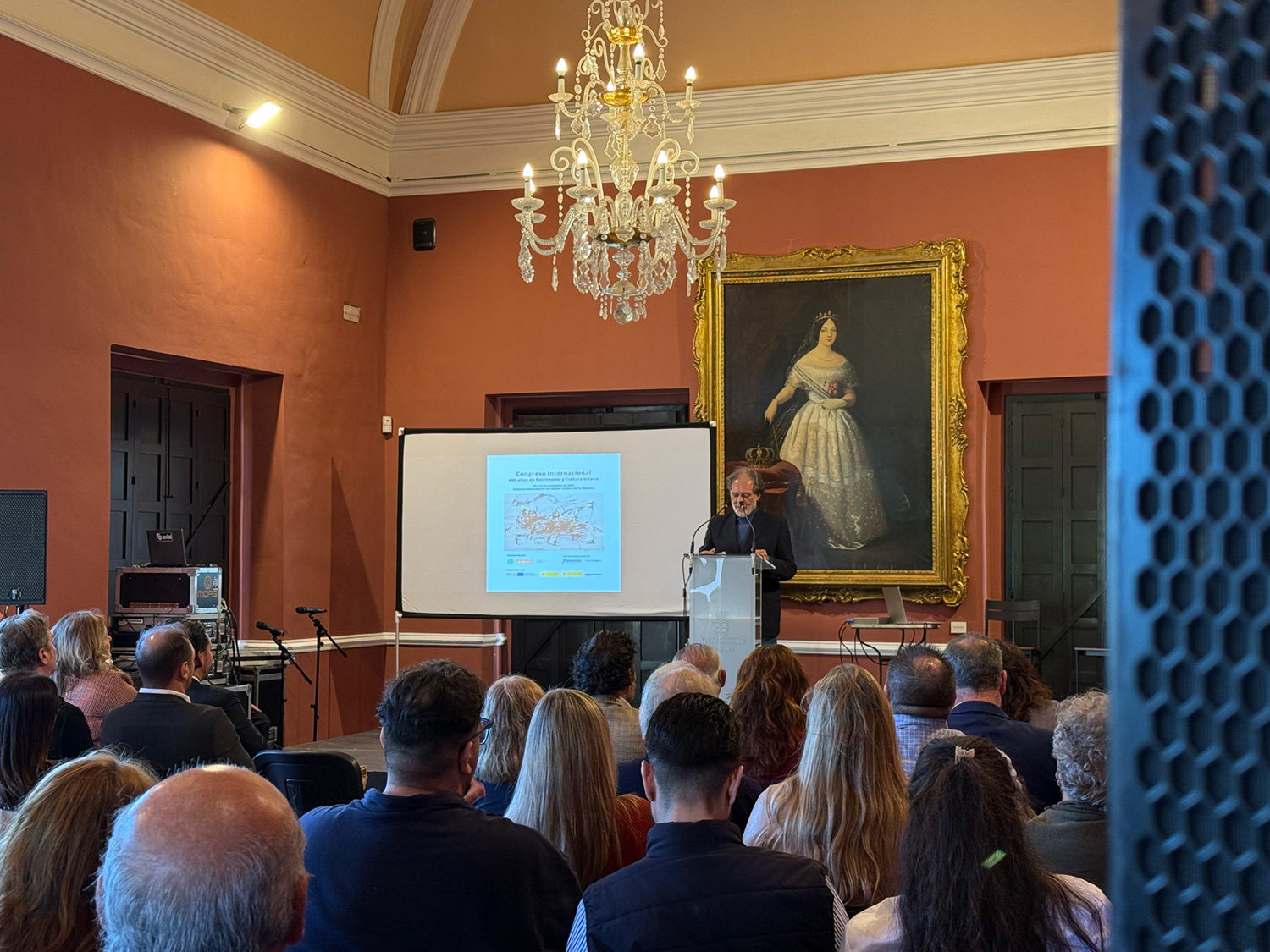
This forum reinforces the role of the #Jerez2031 European Capital of Culture 2031 bid in the debate on memory, diversity, and culture as a driver of social transformation.
The city of Jerez is hosting the event, which began today. Inaugurated this morning by the Mayor of Jerez, María José García-Pelayo, and the Director General for Equal Treatment, Non-Discrimination, and against Racism of the Government of Spain, Beatriz Carrillo, along with representatives of the organizing entities, this event marks the culmination of the program of cultural, social, and academic activities commemorating six centuries of the presence of the Roma people in Spain.
The International Congress “600 Years of Gypsy Heritage and Culture” will take place between November 18 and 19 in the Historic Site of the Alcázar of Jerez and is organized by the National Association of Gypsy Presence and the Gypsy Secretariat Foundation, with the collaboration of the Jerez City Council and the support of the Ministry of Culture, the Ministry of Social Rights, Consumer Affairs and Agenda 2030, ERIAC, the European Commission, Amazon Music and the Kamira Federation. Furthermore, it has the support of the #Jerez2031 Technical Office, as roman culture and flamenco constitute a unique element of the purpose and program of the bid to become European Capital of Culture. They represent an immense heritage that distinguishes us, and whose values of cultural inclusion we wish to project to Europe and the world.
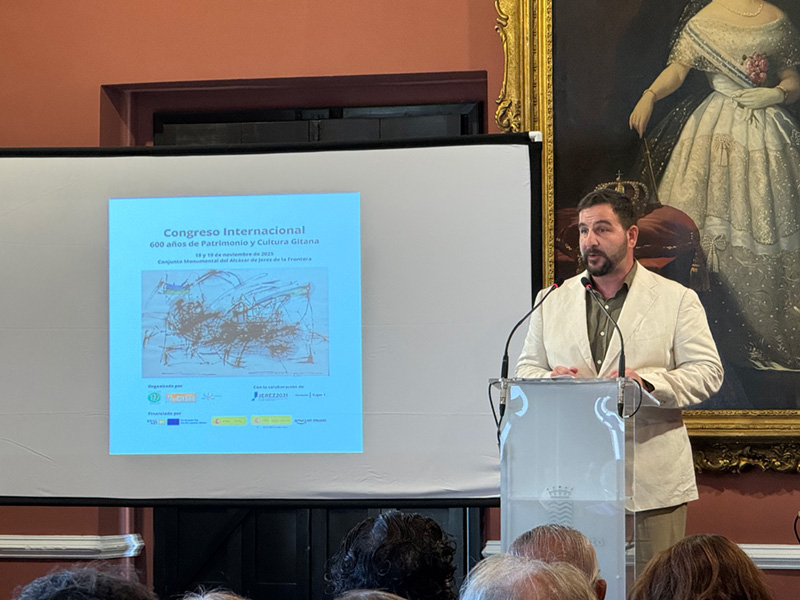
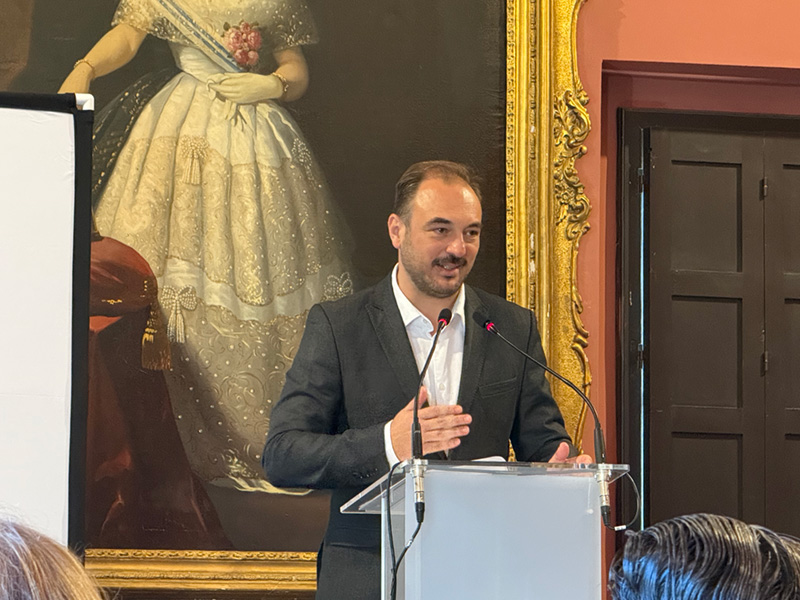

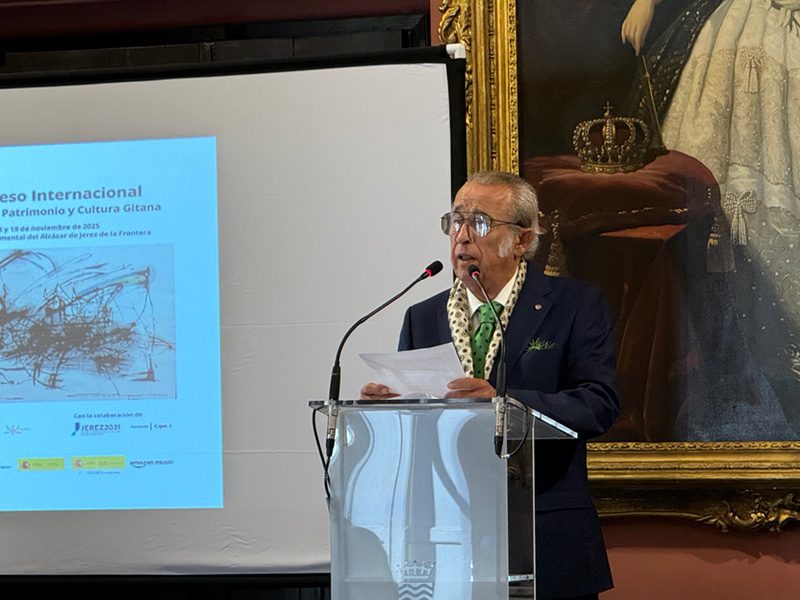
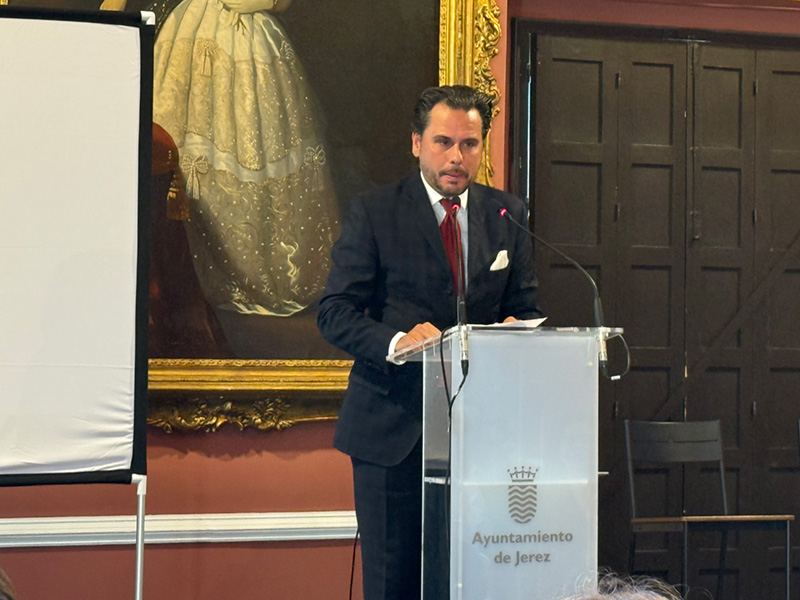
During his speech, García-Pelayo emphasized that “Jerez owes a great debt to the Gypsy people. Together we are moving towards new opportunities, because their contributions to the culture of Jerez, in its broadest sense, have been and continue to be crucial in understanding who we are as a city.” He also affirmed that “Gypsy culture is the past, present, and future of Jerez, and that is why this congress represents a decisive step in continuing to generate recognition, inclusion, and dialogue through culture.” The mayor emphasized that this initiative is fully aligned with the values of the #Jerez2031 bid, which “emphasizes diversity, coexistence, living heritage, and the right to culture as essential elements for building a fairer and more cohesive Europe.”
Following the official opening, the inaugural conference, “Six Centuries of Gypsy History and Culture in Spain,” was given by journalist and director of the RNE program “Gitanos,” Joaquín López-Bustamante. He pointed out that “there aren’t a million Gypsies living in Spain, but rather a million Spaniards who are Gypsies, that diversity is not a cause for confrontation,” and that the history of these six centuries “needs its own narrative and story to counter outdated stereotypes and clichés.” He also asserted that we must “recognize coexistence as a universal value of society and that, in Jerez, being Gypsy, far from being a social disadvantage, is an asset.”
The morning session of the first day continued with the round table discussion “After 600 Years: Achievements and Challenges.” This afternoon, the focus will shift to urban heritage, and Ramiro de Villapadierna, the technical and artistic coordinator of the #Jerez2031 Technical Office, will detail the prominent role of Roma culture in the bid program. Additionally, the “European Routes of Roma Cultural Heritage” will be presented, and a guided tour of the Santiago neighborhood will take place. The day’s program will culminate with a concert by Vicente Soto “Sordera” (2023 National Flamenco Singing Award winner).
The second day will focus on the Romani language, Roma women’s creativity and talent, and literature. It includes the presentation of key publications, a traditional Roma lunch, and the celebration of International Flamenco Day with discussions, testimonials, and a reading of the manifesto. The program will conclude at the Cajasol Foundation Auditorium (Jerez). with the show “50 Years of Persecution,” a tribute to the work of El Lebrijano and Félix Grande.